The Historic U.S.-DRC Strategic Partnership: A New Era for Mining, Capital, and Sovereign Security
An in-depth analysis of the landmark Strategic Partnership Agreement signed between the United States and the DRC, establishing the Strategic Asset Reserve, the Joint Steering Committee, and binding protections for American direct investment.
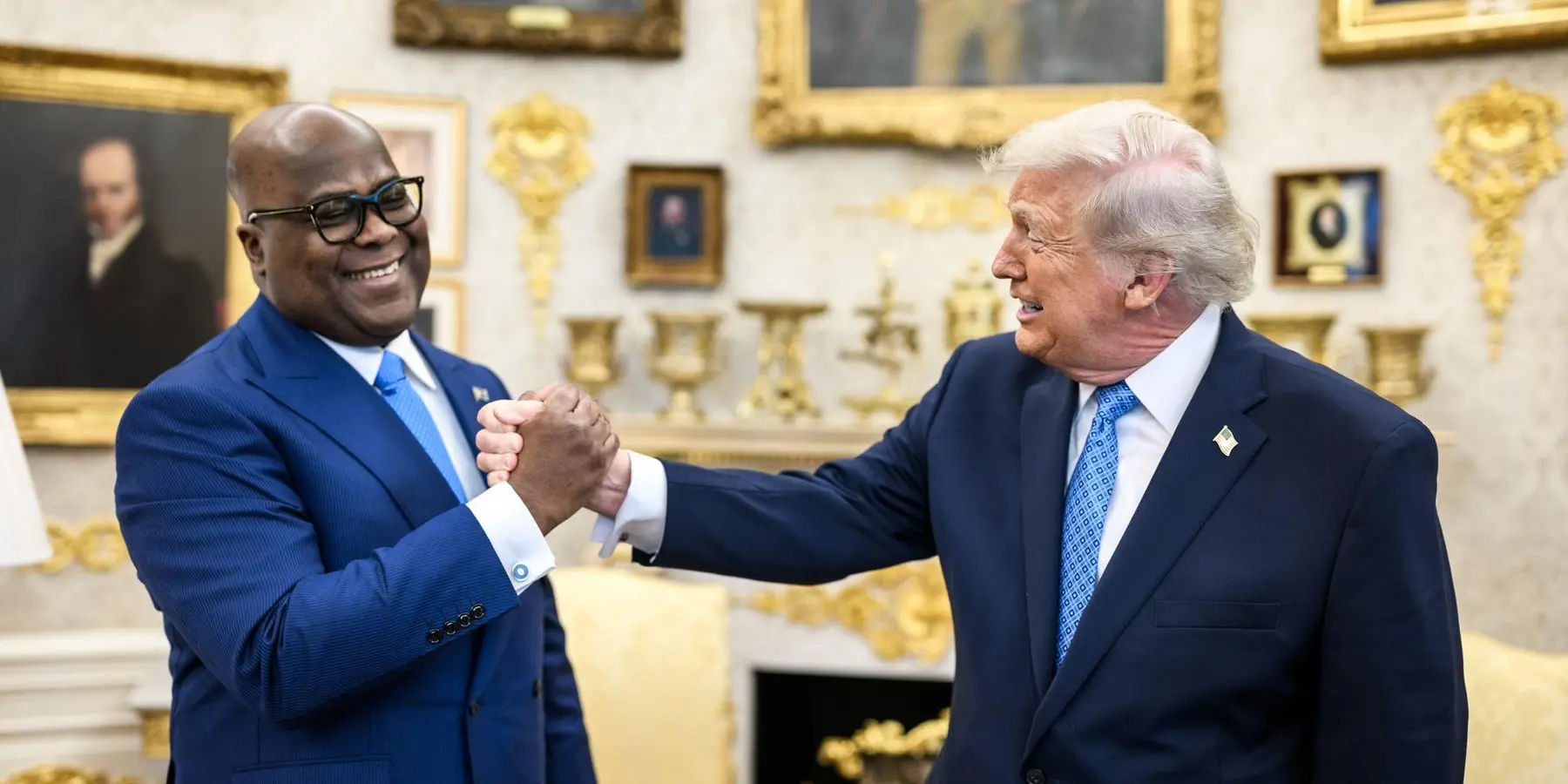
Historic bilateral handshake between President Félix Tshisekedi and President Donald Trump at the White House.
Source: Official White House & U.S. Department of State Records (State.gov)A Paradigm Shift in Central African Commercial Diplomacy
The formalization of the Strategic Partnership Agreement between the Government of the United States of America and the Government of the Democratic Republic of the Congo marks the most significant diplomatic and commercial milestone in Central Africa in over forty years. Formally released through the U.S. Department of State’s Bureau of African Affairs, this treaty redefines bilateral relations from reactive engagement into a permanent, institutionalized economic alliance.
For decades, major American institutional investors and industrial corporations recognized the extraordinary mineral endowment of the DRC—holding over 70% of the world’s cobalt and world-class copper reserves—yet hesitated due to perceived regulatory ambiguity and the absence of high-level government dispute resolution mechanisms. This comprehensive treaty directly eliminates those structural obstacles.
The Strategic Asset Reserve (SAR) and Right of First Offer
At the operational core of the agreement lies Article IV and Article VII, creating the Strategic Asset Reserve (SAR). Under this mechanism, the DRC government designates priority critical mineral assets, lithium deposits, and untapped exploration concessions to be governed under a transparent bilateral investment protocol.
Crucially, qualified U.S. persons are granted a formal Right of First Offer (ROFO) with dedicated three-month exclusive negotiation windows. In exchange, American consortiums commit to transparent commercial offtakes supporting Western supply chain resilience, absolute compliance with the Foreign Corrupt Practices Act (FCPA), and strict adherence to international environmental and labor standards.
The Joint Steering Committee (JSC): Executive State Governance
To ensure durable execution and resolve administrative bottlenecks before they escalate, Article VI establishes a permanent 10-member Joint Steering Committee (JSC). Co-chaired by senior officials from the U.S. Department of State and the DRC Ministry of Foreign Affairs, the JSC unites key economic architects, including the U.S. Treasury, the Department of Commerce, and the U.S. International Development Finance Corporation (DFC), alongside DRC Ministers of Finance, Economy, and Planning.
Meeting bi-annually between Washington and Kinshasa, the JSC acts as an executive clearinghouse, reviewing asset allocations, ensuring fiscal predictability, and facilitating public-private partnerships. This continuous government-to-government dialogue guarantees American businesses that their capital is protected by sovereign commitments.
Industrial Value Addition, Modern Infrastructure, and Bilateral Innovation
A defining pillar of the modern U.S.–DRC commercial framework is the shared commitment to domestic industrial processing and technological advancement. By shifting emphasis toward high-value beneficiation, regional refining capacity, and technical workforce training, the partnership establishes durable economic foundations that benefit both American industries and Congolese communities.
Bilateral initiatives actively prioritize institutional transparency, modern supply chain traceability, and internationally recognized ESG standards. Through joint technical cooperation and private sector engagement, American and Congolese enterprises are collaborating to deploy modern technologies, sustainable environmental practices, and high-standard operational governance.
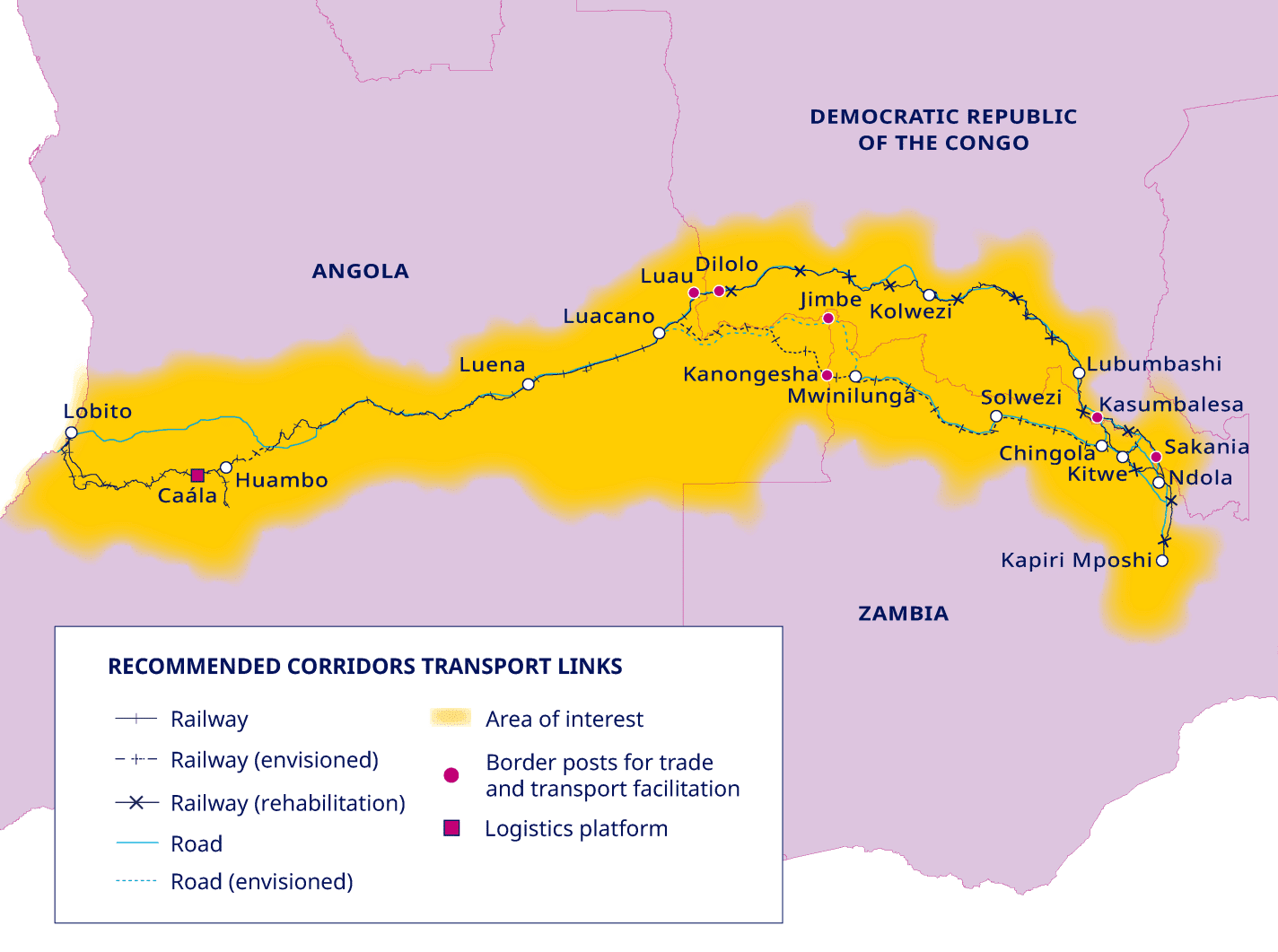
Combined with expanding regional logistics networks such as the Lobito Rail Corridor and transformative clean power initiatives across Central Africa, this framework unlocks unprecedented commercial potential. For American corporate leaders and institutional funds, it provides a stable, forward-looking gateway for long-term investment.
Engage Directly on This Bilateral Corridor
Connect with our executive advisory team to access private briefings, policy insights, and ministerial delegation access.
Request ConsultationRelated Executive Intelligence

Welcoming Migrants to the DRC: Félix Tshisekedi’s Strategic Gamble
Cobalt, Copper, and Ethical Supply Chains: The Strategic Imperative of Artisanal Mining Formalization