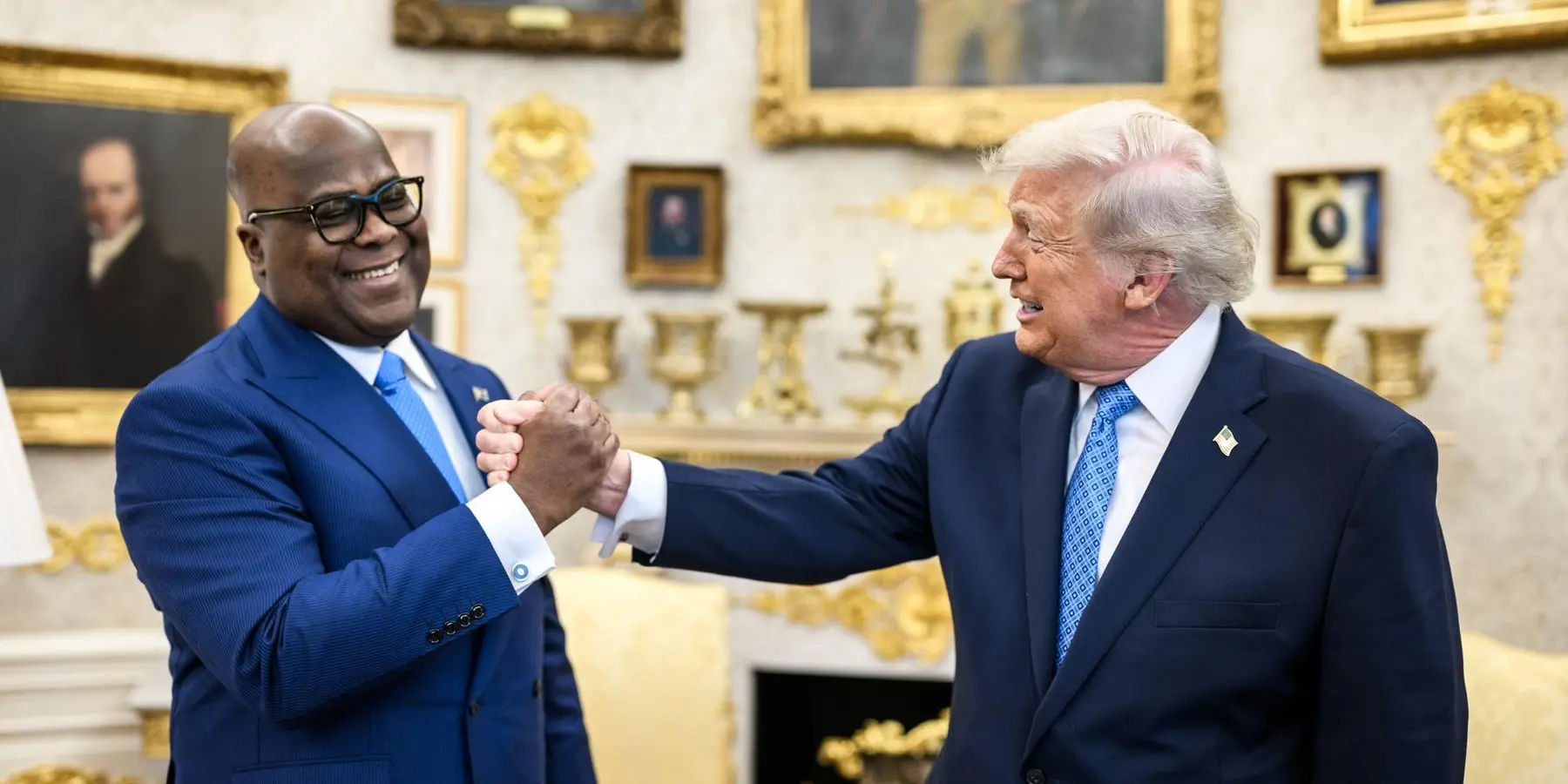
Welcoming Migrants to the DRC: Félix Tshisekedi’s Strategic Gamble
In a world where demographics, migration and shifting alliances are reshaping the balance of power, a controlled migration policy could represent far more than a humanitarian gesture for the Democratic Republic of the Congo. It could become an instrument of development, influence and national power.
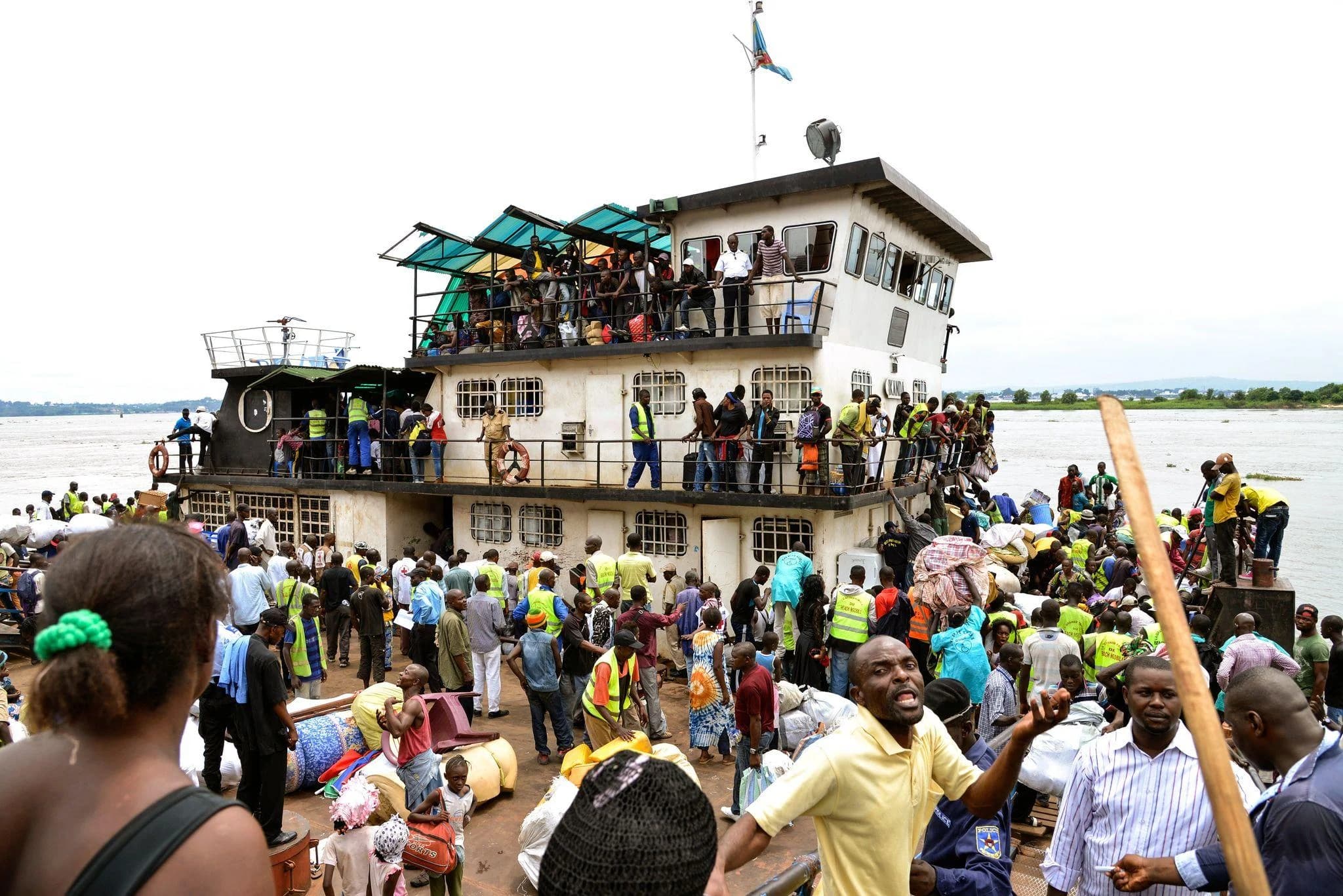
Welcoming Migrants to the DRC: Félix Tshisekedi’s Strategic Gamble
U.S.-Congo Business Chamber
In a world where demographics, migration and shifting alliances are reshaping the balance of power, a controlled migration policy could represent far more than a humanitarian gesture for the Democratic Republic of the Congo. It could become an instrument of development, influence and national power.
Turning an Imbalance into an Opportunity
The Democratic Republic of the Congo is often described as a geological scandal because of the extraordinary wealth beneath its soil. Yet it is also a geographical and demographic paradox: an immense country with considerable resources, but with a deeply uneven distribution of people, infrastructure and economic activity.
Kinshasa concentrates a disproportionate share of the country’s population, public services and economic opportunities. Meanwhile, vast areas of the national territory remain sparsely populated, poorly connected and largely underdeveloped.
Where some see only a structural weakness, a strategist may see an opportunity.
If properly planned, regulated and aligned with national interests, the temporary or permanent settlement of migrants could contribute to territorial development. Migrants can bring labour, skills, entrepreneurship, consumption and tax revenue, helping create new economic centres beyond Kinshasa.
Immigration as a Sovereign Choice
Welcoming migrants does not necessarily constitute an act of weakness or a surrender of sovereignty. Everything depends on how the policy is designed and implemented.
A sovereign state must retain the authority to determine who may enter its territory, under what conditions, for how long and with which obligations. It must also be able to direct newcomers toward regions and sectors where clearly identified needs exist.
From this perspective, migration would no longer be treated solely as an external pressure or a humanitarian emergency. It could become part of a broader national strategy involving agriculture, infrastructure, industry, healthcare, research, entrepreneurship and the economic development of sparsely populated areas.
In a world where demographics increasingly shape competition between states, the policy attributed to President Félix Antoine Tshisekedi Tshilombo may therefore be interpreted as an attempt to transform international migration pressure into a national advantage.
Taking the Initiative in a Tense Region
Demographics play a decisive role in the Great Lakes region. Several neighbouring countries face high population densities, growing pressure on land and recurring tensions over access to resources.
The DRC, by contrast, possesses considerable territory that remains insufficiently developed. By taking the initiative on migration, Kinshasa may be seeking to prevent regional demographic dynamics from being imposed on it by outside forces.
The Congolese government would instead define the rules, select the beneficiaries, determine settlement areas and negotiate the diplomatic or economic terms attached to any arrangement.
In other words, the DRC would no longer merely endure population movements and regional power struggles. It would attempt to incorporate them into its own strategy.
A Signal to the United States
Immigration control remains central to political debate in the United States. Donald Trump built a significant part of his political platform around securing the borders, reducing irregular immigration, strengthening the economy and restoring American leadership.
Within that context, any initiative capable of contributing to the international management or redistribution of migration flows may acquire diplomatic significance.
By agreeing, under negotiated conditions, to receive certain migrants, the DRC could position itself as a useful partner within a broader international framework. Such a decision would be neither exclusively humanitarian nor merely logistical. It could become a diplomatic bargaining instrument.
Kinshasa would be sending a clear message: the DRC is prepared to contribute to solutions for global challenges, but it expects tangible benefits in return for its security, economy, infrastructure and international influence.
Turning Diplomatic Capital into Results
Within American political culture, particularly in conservative circles, clear commitments and reliable partnerships often carry considerable weight. Being perceived as a dependable partner willing to make difficult decisions can open doors that conventional diplomatic language alone may not unlock.
However, this political capital will matter only if it is converted into tangible results: investment, security cooperation, skills transfers, diplomatic support and stronger international backing for Congolese sovereignty.
The DRC must not receive migrants simply to satisfy a foreign partner. It must negotiate. Every commitment should be part of a balanced and transparent agreement that advances Congolese interests.
A Changing Balance in the Great Lakes Region
This policy could also influence the international understanding of power relations within the region.
Rwanda, long regarded as a key Western partner in the Great Lakes, is seeing its influence increasingly challenged amid the war in eastern DRC and allegations concerning its support for the M23 rebellion.
By strengthening its relationship with Washington and demonstrating its ability to contribute to international policy challenges, Kinshasa may seek to rebalance this relationship.
There may eventually be a clear dividing line between how the United States viewed the region before and after this shift. Established narratives are evolving, old certainties are weakening and positions once treated as unquestionable are beginning to face greater scrutiny.
A Strategy That Requires Safeguards
Such a policy, however, cannot succeed without firm safeguards.
The reception of migrants must involve rigorous identification procedures, reliable security screening, a clear legal status and a genuine integration policy. It must also reflect the social, economic and cultural realities of Congolese communities.
Protecting Congolese citizens, employment opportunities, national cohesion and territorial sovereignty must remain the priority. No agreement should result in uncontrolled settlement or transfer international responsibilities to the DRC without sufficient compensation and guarantees.
A geopolitical ambition is credible only when supported by an administration capable of implementing it effectively.
The Test of Results
Félix Tshisekedi is frequently criticised and sometimes underestimated. Yet geopolitics is not the art of seeking immediate approval. It is the ability to look ahead, anticipate global developments and act before others impose their choices.
Major decisions cannot be judged solely through immediate reactions. Their true value is measured by their long-term results.
Politics is dynamic. Interests change, and alliances are constantly formed and reshaped. One principle nevertheless remains: nations that take the initiative, defend their interests and negotiate with clarity can transform their constraints into instruments of power.
The Democratic Republic of the Congo no longer intends to remain a spectator. It wants to become an active player.
For this strategic gamble to earn its place in history, however, it must deliver visible benefits to the Congolese people. In the great contest between nations, boldness alone is not enough. Only boldness supported by a coherent strategy can ultimately succeed.
Engage Directly on This Bilateral Corridor
Connect with our executive advisory team to access private briefings, policy insights, and ministerial delegation access.
Request ConsultationRelated Executive Intelligence

Cobalt, Copper, and Ethical Supply Chains: The Strategic Imperative of Artisanal Mining Formalization
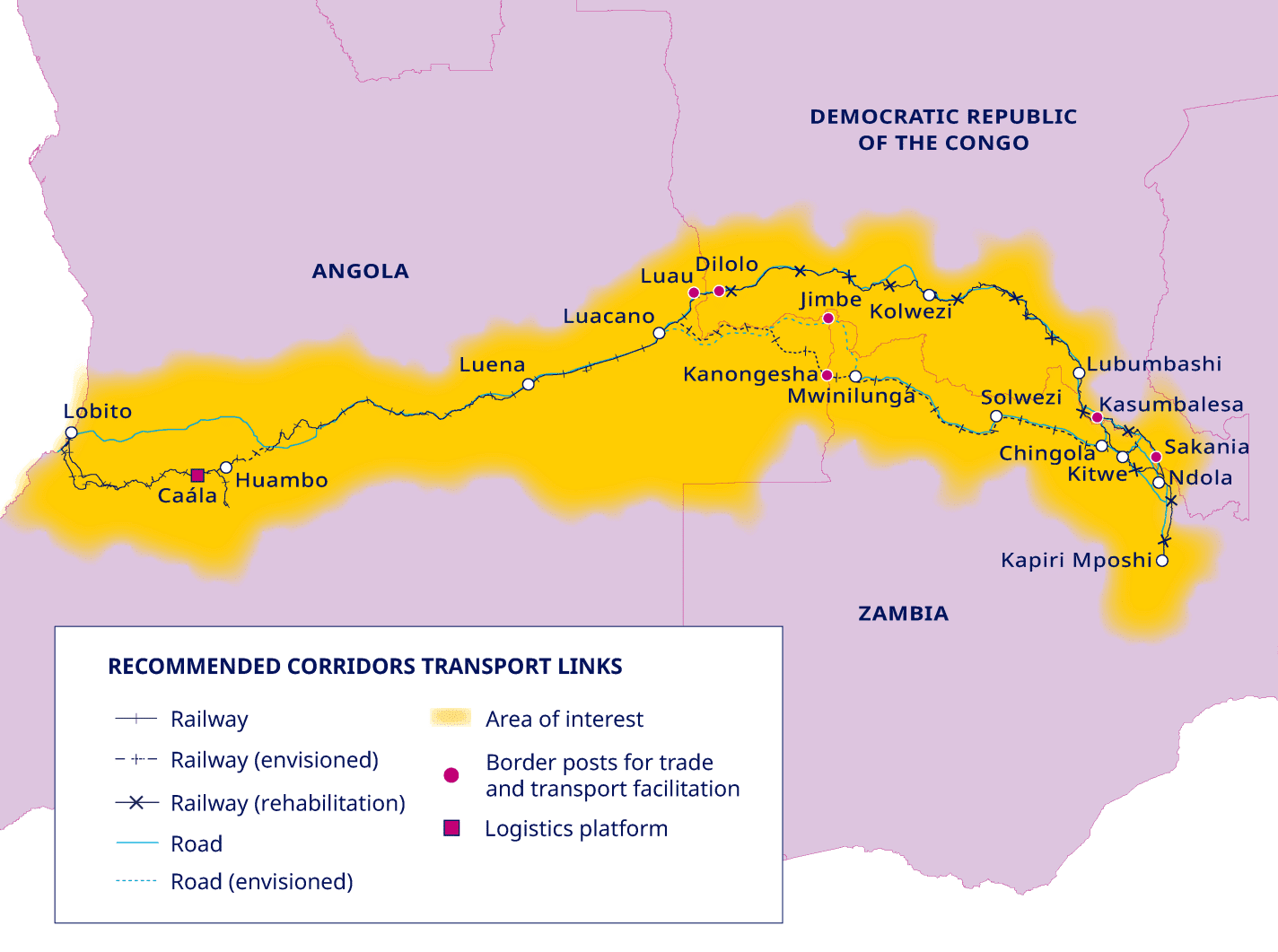
The Lobito Corridor: How a $753M U.S.-Backed Rail Megaproject Is Redefining Central African Trade